Citi Accelerates Bitcoin Custody Push as Wall Street Deepens Crypto Integration
The banking giant moves to make bitcoin “bankable” while traditional finance adapts to always-on, tokenized markets.

Major U.S. banks are expanding deeper into digital assets, with Citigroup outlining new initiatives designed to bring bitcoin custody and tokenized finance closer to traditional financial workflows.
The push reflects rising institutional demand for regulated crypto exposure and signals continued convergence between legacy finance and blockchain-based infrastructure.
Citi Moves to Make Bitcoin “Bankable”
Citigroup plans to launch institutional bitcoin custody later this year as part of a broader effort to embed digital assets directly into its core banking architecture.
Speaking at the World Strategy Forum, Nisha Surendran, Citi’s head of digital asset custody development, said the initiative aims to place bitcoin within the same operational framework clients already use for traditional holdings.
Under the proposed model, clients would be able to hold bitcoin alongside securities and cash within a single safekeeping account. The bank is building institutional-grade key management and wallet infrastructure while integrating crypto positions into existing reporting and tax workflows.
From the client perspective, Citi’s goal is simplicity. Transactions will be instructable through familiar channels such as SWIFT, APIs and standard user interfaces, while the bank handles clearing, settlement and reporting behind the scenes.
The strategy is driven largely by client feedback. According to Surendran, institutional investors have made clear they prefer not to manage private keys or specialized crypto workflows. Instead, they want bitcoin exposure delivered through familiar banking rails.
Unified Accounts and Cross-Margin Ambitions
Citi’s longer-term vision goes beyond basic custody.
The bank is designing account structures that could house multiple asset classes together, including U.S. Treasuries, foreign bonds, tokenized money market funds and bitcoin. Bringing these assets under one umbrella could enable cross-margining between digital and traditional positions.
If implemented at scale, that capability would mark a meaningful step toward true balance-sheet interoperability between crypto and traditional finance.
Citi is also adapting its infrastructure to support the always-on nature of blockchain markets. The firm has already launched Citi Token Services for cash, a permissioned blockchain network that enables round-the-clock internal money movement. Executives say similar 24/7 support will be necessary as bitcoin and other digital assets become embedded in institutional workflows.
Wall Street Builds for 24/7 Markets
The moves by Citi and Morgan Stanley come amid a broader shift across traditional finance toward continuous, blockchain-enabled markets.
Morgan Stanley has been expanding its digital asset strategy across its wealth platform, including preparations to roll out spot crypto trading through E*TRADE and ongoing evaluations of lending and yield opportunities tied to digital assets. The firm has also explored exchange-traded products linked to major cryptocurrencies, indicative of growing demand from mainstream investors.
 Oliver Knight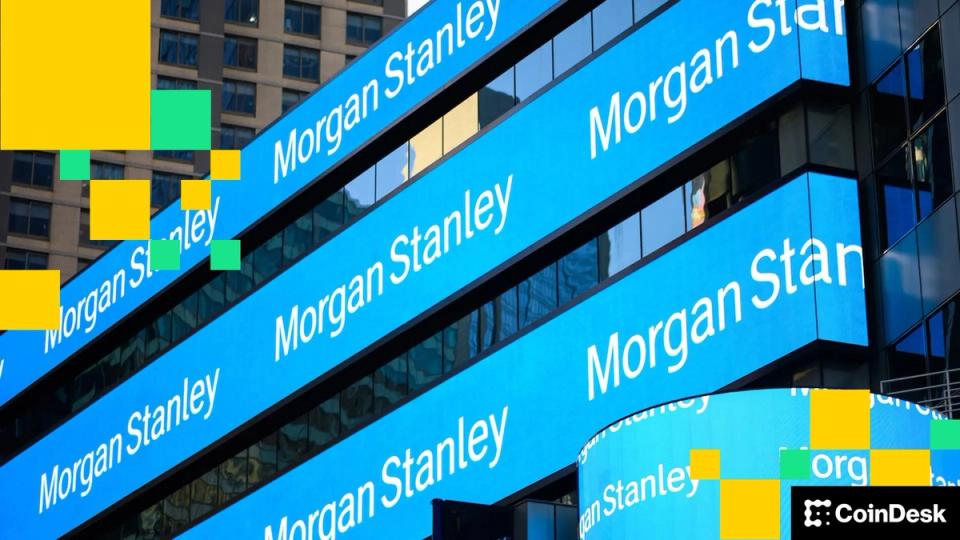
Institutional appetite for around-the-clock trading has been rising, particularly as crypto markets demonstrate the feasibility of continuous liquidity. Major exchange operators are beginning to respond. The New York Stock Exchange has signaled plans for a blockchain-based venue supporting continuous trading of tokenized equities and ETFs, while Nasdaq has outlined efforts to extend trading hours for listed products.
Together, these developments point to a structural transition in market infrastructure.
For large financial institutions, the question is no longer whether digital assets will be integrated into traditional finance, but how quickly the underlying systems can be rebuilt to support a tokenized, always-on financial environment.